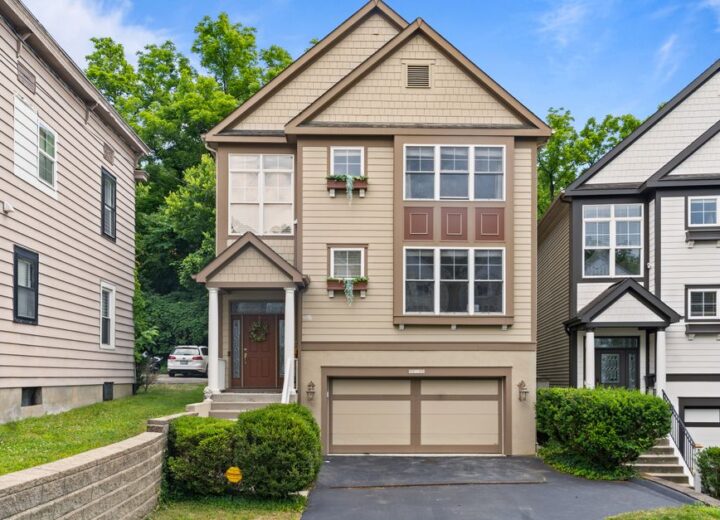
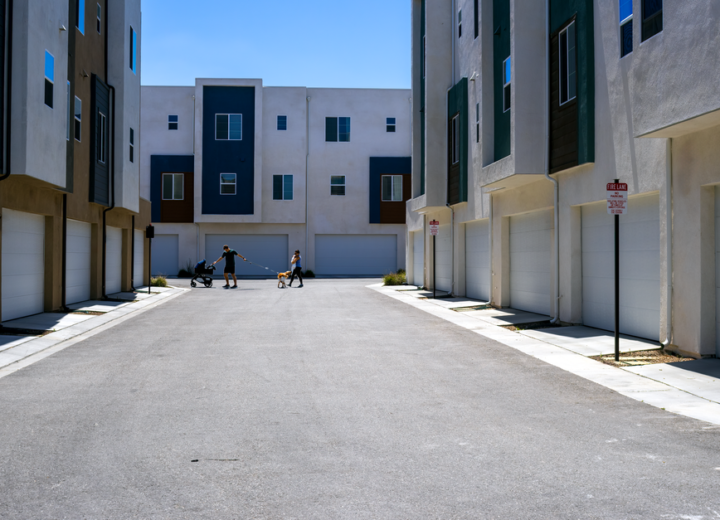
An owner with a duplex in Concord and a single-family rental in Walnut Creek is running two properties under two different rule sets, fifteen minutes apart. That is not an edge case in Contra Costa. It is close to the normal situation for a small local portfolio, and December — when next year’s rent increases get decided — is when it starts to matter.
The county is not uniform
California has a statewide framework, and on top of it individual cities may adopt their own rent ordinances with their own limits, their own notice requirements and their own paperwork. Within Contra Costa, several cities have done so — Richmond was first, and El Cerrito, Antioch and Concord have since adopted local measures of their own. Others, including Walnut Creek, have not.
So “what am I allowed to do” has no county-level answer. It has a per-property answer, and the property is the unit of analysis, not the portfolio.
Property type matters as much as the city
The second thing owners get caught by is that a local ordinance may not cover every property inside its own city. Concord’s, for instance, was adopted with carve-outs — single-family homes, condominiums and accessory dwelling units were treated differently from covered multi-family units.
The practical consequence: two units on the same street, in the same city, can sit under different rules because one is a converted ADU and the other is a duplex unit. An owner who reasons at the level of “my Concord properties” is reasoning at the wrong granularity.
Deliberately absent from this article: numbers. Caps recalculate on their own schedule, ordinances get amended, and the statewide framework has its own horizon. A figure quoted here would be a liability the moment it aged. Confirm the current position with the city the unit is in, and take legal advice where the stakes warrant it — we are not attorneys.
What this actually is
Once you see it clearly, this stops being a legal problem and becomes a tracking problem. You need to know, per unit: which city, which property type, therefore which rule set, when notice has to go out, what evidence you have to retain, and where that evidence lives.
Owners rarely get this wrong through carelessness. They get it wrong because the information lives in their head at portfolio level while the rules operate at unit level, and the mismatch only surfaces when something is disputed.
How we would walk you through it
We build a one-row-per-unit register: address, city, property type, which framework applies, notice lead times, the review date, and where the documents for that unit live. For most local portfolios this is one page and takes an afternoon.
Then we hang a calendar off it, so a review date arrives before the notice deadline rather than after. The register is the thing that makes the calendar possible; without it every year starts by rediscovering the rules.
Verification against the current ordinance stays with you and your attorney. What we build is the structure that makes it a ten-minute annual check instead of an annual research project. That is the work of our property management practice and CAO Real Estate & PropTech.
Send us the list of cities you own in. If it is more than one, the register is almost certainly worth the afternoon.
A question worth answering
Without looking anything up: for each unit you own, can you say which rule set applies and when the next notice is due? If the answer varies by unit and lives only in your head, that is the gap.