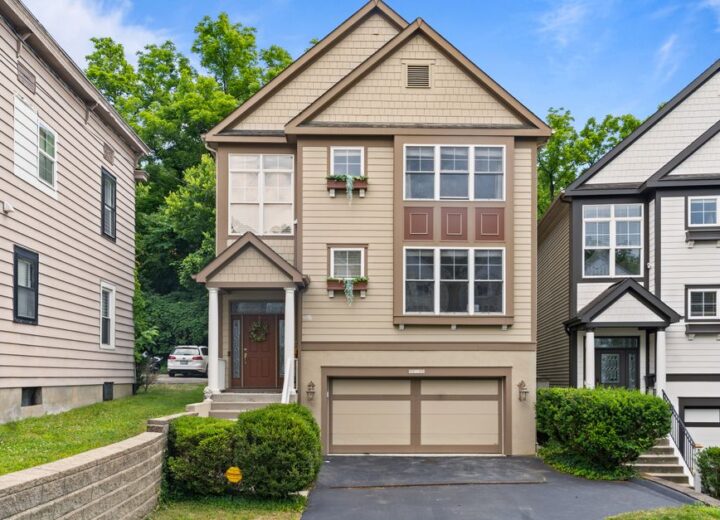
concord rent exemption notice is the piece of paper that separates a property from the city’s rent and eviction rules, and if you own a single-family home, a condo or an accessory dwelling unit in Concord, the city expects you to file it. The form itself is short. The consequences of not filing it are not.
What the form actually does
The Concord Residential Rent Review and Just Cause for Eviction Ordinance applies to most rental housing, but it carves out specific property types. Single-family homes, condominiums and ADUs are exempt — provided the owner gives the tenant written notice of the exemption before the tenancy begins, or as soon as the owner becomes aware the property qualifies. The form is that notice. It tells the tenant, in the language the ordinance requires, that the unit is not covered by the rent review board or the just-cause eviction protections.
This is not a disclosure you can handle with a clause in the lease. Concord wants a standalone document, served separately, with specific wording. The city provides a template, and using it is the safest path. You can find the current version on the city’s housing page; the form changes when the ordinance is amended, so downloading it fresh each time matters.

Where owners get the timeline wrong
The deadline is the part that trips people up because it is not a single date on a calendar. The ordinance requires the notice at the start of a tenancy. For an existing tenant, the clock starts when the owner learns the property qualifies — which usually means the day you realize the exemption applies. There is no grace period written into the text. If you are reading this and you have not served the notice, the city’s position is that you are already late.
What makes this harder is that Concord does not send a reminder. The city does not mail you a form when you buy a rental, and the assessor’s classification does not trigger a notice. The obligation sits entirely with the owner. In our experience, the most common moment of discovery is when a tenant files a petition with the rent review board, and the owner realizes the exemption was never documented. By then, the argument that the property is exempt is an uphill one.
We covered the documentation side in more detail in Three Documents to Prove Concord Rental Exemption, and the broader contrast between Concord and Walnut Creek in Contra Costa Rent Exemption: Concord vs Walnut Creek. If you are still sorting out whether your property qualifies, start there.

The penalty for blowing it off
The ordinance does not list a fine. The penalty is procedural, and it is worse than a one-time check. If you fail to serve the exemption notice, the tenant can argue the unit is fully covered by the rent review and just-cause eviction rules. That means rent increases are capped at the annual adjustment the city sets, and you cannot end the tenancy without one of the stated just-cause reasons. You lose the exemption not because the property does not qualify, but because you did not do the paperwork.
What that costs depends on the rent and the length of the tenancy. If the city’s annual adjustment is below what the market would otherwise bear, the gap compounds every year. If you need to terminate a tenancy for a reason that is not on the just-cause list — say, you want to move a family member into the unit — you may not be able to do it at all. The form is the only thing standing between you and that outcome.
There is a related risk that owners underestimate: the notice must be served correctly. Handing it to the tenant is fine, but you need to be able to prove you did it. A signed acknowledgment is best. If the tenant later claims they never received it, and you have no record, the board will treat it as not served. This is one of the places where a property management system that timestamps and stores tenant communications pays for itself. We build that kind of audit trail into the operating process for the properties we manage, and it removes the he-said-she-said problem before it starts. More on that approach is in our property management service.

What working through this with us looks like
Most owners who call us about the exemption notice are not looking for a lecture on the ordinance. They want to know three things: whether their property qualifies, whether the notice has been served correctly for every current tenancy, and what to do if it has not. We start with a review of the property type against the current ordinance text — single-family, condo, ADU, and the ownership structure matters, because trusts and LLCs can change the analysis. Then we check the tenant files for a signed notice. If one is missing, we prepare the form, serve it and document the service in a way that will hold up if the tenancy ever reaches the rent board.
For owners who self-manage, we can still handle the exemption audit and the notice preparation as a standalone project. The goal is to get every property into compliance once and then build a calendar reminder so it does not drift again. The form itself takes minutes. The audit is what takes the time, because you are reconstructing the paper trail for tenancies that may have started years ago.
If you want to walk through your specific situation, the next step is a conversation. You can reach us at our contact page.
Is your exemption notice sitting in a drawer unsigned?
Most owners we talk to have the form. They downloaded it, printed it, and then life got in the way. The question is whether it ever made it into the tenant’s hands with a date and a signature on it. If you are not sure, now is the time to check — before the tenant checks first.
About this article. This is general information and our own opinion, written from how we run operations for owners and businesses in Contra Costa County. It is not legal, tax, accounting, financial or other professional advice, it is not a recommendation to take or avoid any action, and it is not a substitute for advice about your own property, tenancy or business. CAO Investment Group is not a law firm, and reading this does not create an attorney-client or any other professional relationship. Local ordinances, fee schedules, forms, thresholds and deadlines change often and differ from city to city within Contra Costa County — anything here may be out of date by the time you read it, including as of the publication date shown above. Verify anything you plan to rely on against the current rules published by your own city or county, and speak to a qualified attorney, CPA or licensed professional about your specific situation before you act. We make no warranty that this information is current, complete or accurate, and we accept no liability for any action taken or not taken on the basis of it.