The rent control exemption notice most landlords never send
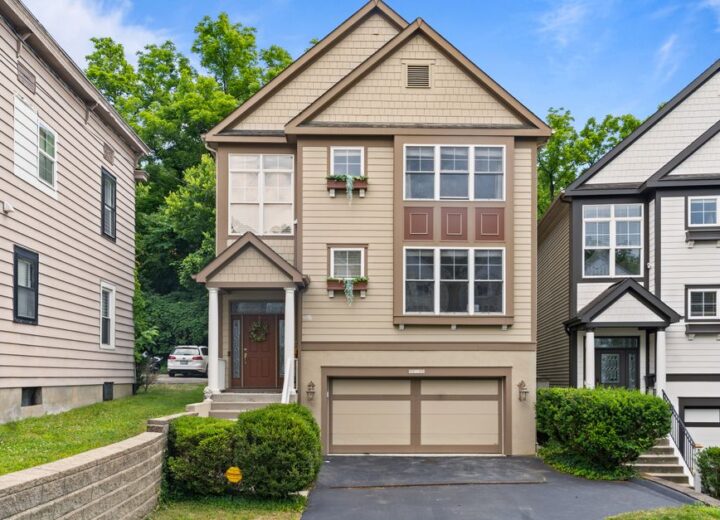
If you own a single-family rental in Concord, Walnut Creek, or another Contra Costa city with rent control, your property is probably exempt from the rent cap. But that exemption isn’t automatic. You have to file a rent control exemption notice with the city, every year, before the deadline. Miss it once and you lose the exemption for that year. That’s the rule most small landlords learn about the hard way.

This isn’t a state requirement. It comes from the local ordinances, and each city handles it a little differently. Concord’s rent stabilization ordinance, for example, carves out single-family homes, condos, and ADUs. But the carve-out only applies if you send the notice. If you don’t, the city treats your unit as covered, and you’re stuck with the rent cap and the just-cause eviction rules until you fix it.
Why this is harder than it looks
The form itself is simple. The hard part is knowing it exists, knowing it’s annual, and knowing which city you’re dealing with. A landlord with one property in Concord and another in unincorporated Contra Costa has two different processes. Walnut Creek’s rules are different again. National landlord sites don’t cover this because it’s hyper-local, and the city websites bury the form under layers of menus.
Then there’s the timing. The notice isn’t due when you buy the property. It’s due on a fixed date every year, and if you close escrow in March, you might have only a few weeks to file for that calendar year. Miss it and you’re waiting until the next cycle, during which time your rent increase is capped and you can’t evict without cause.
What people get wrong most often is assuming the exemption is tied to the property. It’s not. It’s tied to the notice. A single-family home that’s been exempt for ten years loses that status the year the notice doesn’t arrive. The city doesn’t send a reminder. The ordinance doesn’t care that you’ve owned it forever.
What the rent control exemption notice actually does
Filing the notice puts your unit on the city’s exempt list. That’s the whole mechanism. The city keeps a registry of covered units, and the notice is how you tell them yours shouldn’t be on it. Once you’re on the exempt list, the rent cap doesn’t apply, the just-cause eviction rules don’t apply, and you’re back to a normal landlord-tenant relationship under state law.
The notice itself asks for basic information: property address, owner name, the basis for the exemption (single-family, condo, ADU), and a signature. Some cities want proof, like a deed or a tax bill. Concord’s form is a one-pager. Walnut Creek’s is similar but has its own filing window. You can find the current form on each city’s website, but you have to know to look.
Here’s the part that surprises people: the notice doesn’t just protect your right to raise rent. It also protects your right to not renew a lease. Under most rent control ordinances, covered units can only be terminated for cause. If you’re exempt and you’ve filed the notice, you can simply not renew when the lease ends. That’s a big deal for a small landlord who wants flexibility.

What’s left depends on your specific situation
The general rule is clear: file the rent control exemption notice every year. But the details vary enough that you can’t just copy what your neighbor did. Concord’s ordinance has specific language about owner-occupied duplexes and ADUs. Walnut Creek’s ordinance has its own carve-outs. If your property is in an unincorporated area, the county’s rules apply instead.
Then there’s the question of what happens if you missed a year. Some cities let you file late and get the exemption back from the date of filing. Others don’t. Some require you to notify the tenant that you’re claiming the exemption. Some don’t. The only way to know is to read the current ordinance for your city, and that’s where most landlords give up.
We work through this with owners all the time. The process is mechanical, but the stakes are real. One missed notice can cost you a year of rent increases and put you under just-cause eviction rules you never agreed to. That’s why we treat it as an operating issue, not a legal one. It goes on a calendar, it gets checked, and it gets filed.
How we walk you through it
When you work with us on property management in Contra Costa, the exemption notice becomes part of your annual compliance calendar. We start by identifying every unit you own and which ordinance applies to each one. Then we pull the current form for each city, fill it out with your information, and file it before the deadline.
If you’ve missed a year, we don’t guess. We check the ordinance to see if late filing is allowed and what the effective date would be. Then we file and keep the confirmation. You get a copy in your folder, and we track it so it doesn’t lapse again.
For owners who want to handle it themselves, we still recommend keeping a simple log: property address, city, exemption basis, filing deadline, date filed, confirmation number. That log is what protects you if the city ever questions your status. We’ve written more about landlord record keeping in Contra Costa if you want the full picture.

The point isn’t to make this complicated. It’s to make it routine. The notice is one page. The penalty for missing it is a year of rent control you didn’t have to live under. That’s a bad trade, and it’s avoidable.
If you’re not sure whether your property needs a rent control exemption notice, or you’ve missed a deadline and want to know your options, get in touch. We’ll look at your specific situation and tell you what the current ordinance says.
One question for you
When was the last time you checked whether your city’s rent control ordinance still exempts your property, and whether the notice for this year actually went out?
About this article. This is general information and our own opinion, written from how we run operations for owners and businesses in Contra Costa County. It is not legal, tax, accounting, financial or other professional advice, it is not a recommendation to take or avoid any action, and it is not a substitute for advice about your own property, tenancy or business. CAO Investment Group is not a law firm, and reading this does not create an attorney-client or any other professional relationship. Local ordinances, fee schedules, forms, thresholds and deadlines change often and differ from city to city within Contra Costa County — anything here may be out of date by the time you read it, including as of the publication date shown above. Verify anything you plan to rely on against the current rules published by your own city or county, and speak to a qualified attorney, CPA or licensed professional about your specific situation before you act. We make no warranty that this information is current, complete or accurate, and we accept no liability for any action taken or not taken on the basis of it.