

Antioch is one of the Contra Costa cities that adopted its own rent ordinance, and it is also where the county’s single-family rental economics are least like Walnut Creek’s. Owners who bought here for the yield are running a different business from owners holding property further west, and the rules are different too.

Two rule sets, and which one you are under
Antioch joined Richmond, El Cerrito and Concord in adopting local rent measures, so a rental here sits under a municipal framework in addition to the statewide one. As everywhere else in the county, coverage is not uniform — property type matters, and an owner holding a mix should not assume one answer covers all of it.
What makes East County distinctive is that the boundaries interleave with unincorporated territory. A property with an Antioch mailing address is not automatically inside the city, and Bay Point and other unincorporated pockets sit under county rules entirely. That is a parcel-level question, and it is worth answering before anything else.
The single-family rental problem
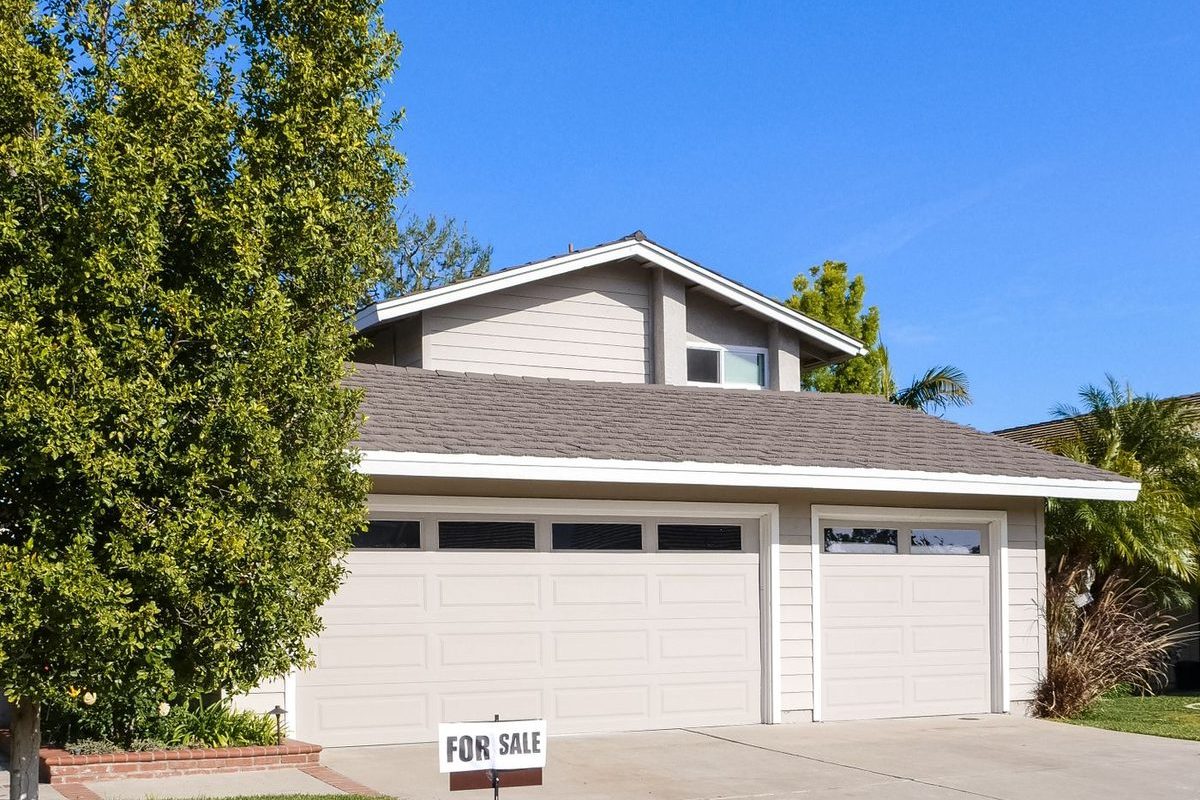
East County’s rental stock skews toward detached single-family homes — often newer, often larger, frequently bought as investments rather than converted from a former residence. That changes the operating profile in ways platform software does not model well:
- Maintenance is per-property, not per-building. Ten units in one building share a roof, a contractor visit and a trip. Ten houses share nothing, and every callout is its own journey.
- Scattered geography multiplies coordination. The cost is not the work; it is the scheduling around it.
- Owners are frequently remote. A meaningful share of East County single-family rentals are held by people who do not live nearby, which makes documentation the only real form of oversight.
Where it goes wrong
Not usually on the rule. On the evidence, and on the calendar.
Compliance in California turns on what you can produce: dated condition photographs, notices as sent with proof of delivery, deposit accounting against its clock. For a remote owner with scattered houses, that evidence is generated by other people — a handyman, a neighbour, a tenant — and if nothing captures it at the moment it exists, it does not exist later.
We deliberately publish no caps, thresholds or retention periods. They recalculate on their own schedule and differ by jurisdiction; a stale number here is worse than none. Confirm with the City of Antioch or the county as applicable, and with an attorney where the stakes justify it. We are not attorneys and this is not legal advice.
Where it depends on your situation
How much structure is proportionate scales with distance and count. One house you drive past weekly is a checklist. Four houses across Antioch, Oakley and an unincorporated pocket, managed from elsewhere, is a register and a calendar — and the failure mode is not negligence, it is that no single person is holding the whole picture.

How we would start
By establishing jurisdiction per parcel, then building the one-row-per-unit register: address, city or unincorporated, property type, applicable framework, notice lead times, review dates, and where that unit’s documents live. A calendar hangs off it so deadlines arrive before they pass.
Then the capture side, which for remote owners is the part that actually changes outcomes: making it easy for whoever is on site to produce dated evidence without being asked twice.
This is our property management practice, with PropTech consulting where the answer is a system. If your portfolio crosses into county territory, the unincorporated areas page covers that difference.
Tell us how many properties you hold, where, and whether you live nearby. Those three answers determine most of what we would recommend.