Concord rent increase exemption rules catch tenants off guard when they compare notices between properties. A tenant in your single-family home sees the letter from your other property—maybe a duplex or an apartment—and assumes the higher number on the single-family is a mistake or an overreach. It is not, and the explanation is rooted in how Concord’s ordinance draws its jurisdictional lines.
Why the Concord Rent Increase Exemption Exists
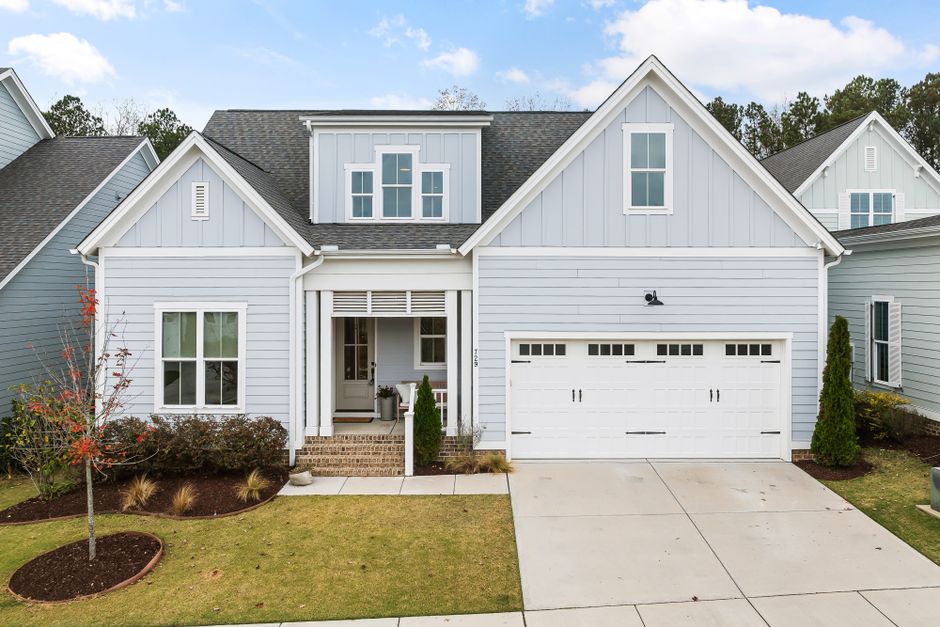
Concord’s residential rent ordinance applies to most multi-unit buildings, but it carves out single-family homes, condominiums, and accessory dwelling units. The carve-out is not a loophole—it is a deliberate policy choice written into the ordinance text. When you own both a covered property and an exempt one, the two follow different rulebooks, and the increase that is capped on one may be entirely lawful on the other.
What confuses tenants is the side-by-side comparison. They see one notice with a modest adjustment and another that looks steep, and they assume the steep one violates something. In reality, the exempt property is operating under the same state and local laws that apply to all rentals—habitability, notice periods, fair housing—but without the local rent-stabilization overlay. Explaining that distinction early saves a lot of back-and-forth.
The Conversation That Keeps It Respectful
When a tenant questions the increase, the first move is to acknowledge the confusion rather than dismiss it. A simple opener like “I understand why that looked inconsistent—the two properties fall under different parts of Concord’s rules” sets a tone that is factual, not defensive. From there, you can walk through the basics without turning it into a legal lecture.
Keep the explanation in plain terms: Concord’s rent ordinance covers most buildings with two or more units. Single-family homes are listed as exempt. Because the home they rent is a single-family dwelling, the local cap does not apply, and the increase follows the notice and frequency rules that govern all California rentals. If they want to verify it themselves, point them toward the city’s published ordinance or the exemption notice you are required to provide—more on that in a moment.
This is also the moment to reference the Concord Exemption Notice: Form, Deadline and Penalty you filed. That document is not just a compliance step; it is the paper trail that backs up everything you are saying. Handing a tenant a copy of the filed exemption notice—or reminding them they received one at lease signing—turns an abstract legal point into something they can hold.
Document the Exchange Without Escalating
A respectful conversation is only half the work. The other half is making sure the exchange is recorded in a way that protects both sides. If the tenant called, send a brief follow-up email that summarizes what you discussed: the date, the properties compared, the ordinance section that exempts single-family homes, and the outcome. If the conversation happened over text or email, save it to the tenant’s file.
Why this matters: a tenant who accepts the explanation today may still file a complaint with the city’s rental housing program tomorrow. When that happens, the investigator will ask for your records. A clean, contemporaneous note—even a few lines in a property management system—shows you addressed the concern directly and gave an accurate explanation. Without it, you are relying on memory, and memory rarely holds up under scrutiny.

For owners who manage multiple properties, this kind of documentation scales poorly by hand. That is where property management systems earn their keep: they log tenant communications, attach exemption notices to the lease record, and surface the history when you need it—without anyone having to remember to file an email.
What the Concord Rent Increase Exemption Does Not Change
Exempt from the local cap does not mean unregulated. The property still falls under California’s statewide rent-control law, AB 1482, unless it separately qualifies for an exemption there—and many single-family homes do, provided the owner gave the required notice. The notice period for rent increases still applies: for most tenants, that is 30 days for an increase of ten percent or less, and 90 days for anything larger. The just-cause eviction protections under state law may also apply, depending on how long the tenant has lived there and whether the owner is a corporation or individual.
If you have not already mapped out where each of your properties sits under both the local and state frameworks, the confusion your tenant felt is a signal that the paperwork needs attention. The article on AB 1482 Rent Cap Concord: Compliance for Landlords walks through the state overlay in detail, and it is worth a read before you send the next increase notice.
When the Tenant Still Pushes Back
Some tenants will not be satisfied with your explanation, and that is their right. If they want to challenge the increase, they can contact Concord’s rental housing program or seek legal advice. Your job is not to win an argument; it is to provide the correct information, document that you provided it, and let the process work.
In our experience, the owners who handle this well share a few habits. They keep a copy of the current ordinance text on hand—not the summary, the actual language—so they can quote the exemption section directly. They file the exemption notice on time and keep proof of service. And they train themselves to respond to a tenant’s question with the same calm, factual tone they would use to explain a utility bill. The ordinance is what it is; your explanation just needs to be clear.
How We Walk Through This With Owners
When an owner brings us this exact scenario, we start with the property file. We confirm the exemption status under Concord’s ordinance, check whether an AB 1482 exemption notice is also on file, and review the last increase notice for accuracy. Then we draft the tenant communication together—short, factual, and referencing the specific ordinance section. If the tenant has already filed a complaint, we help assemble the response package: exemption notice, lease, increase letter, and the communication log.
The goal is not to flood the tenant with paper. It is to give them exactly what they need to see that the increase is lawful, and to give you a record that stands up if the city asks questions later. Most of the time, that is enough to close the loop.
If you are fielding a similar question from a tenant and want a second set of eyes on the paperwork, reach out here and we can walk through it.
Have you had a tenant compare increase notices across your properties, and how did you handle the conversation?
About this article. This is general information and our own opinion, written from how we run operations for owners and businesses in Contra Costa County. It is not legal, tax, accounting, financial or other professional advice, it is not a recommendation to take or avoid any action, and it is not a substitute for advice about your own property, tenancy or business. CAO Investment Group is not a law firm, and reading this does not create an attorney-client or any other professional relationship. Local ordinances, fee schedules, forms, thresholds and deadlines change often and differ from city to city within Contra Costa County — anything here may be out of date by the time you read it, including as of the publication date shown above. Verify anything you plan to rely on against the current rules published by your own city or county, and speak to a qualified attorney, CPA or licensed professional about your specific situation before you act. We make no warranty that this information is current, complete or accurate, and we accept no liability for any action taken or not taken on the basis of it.