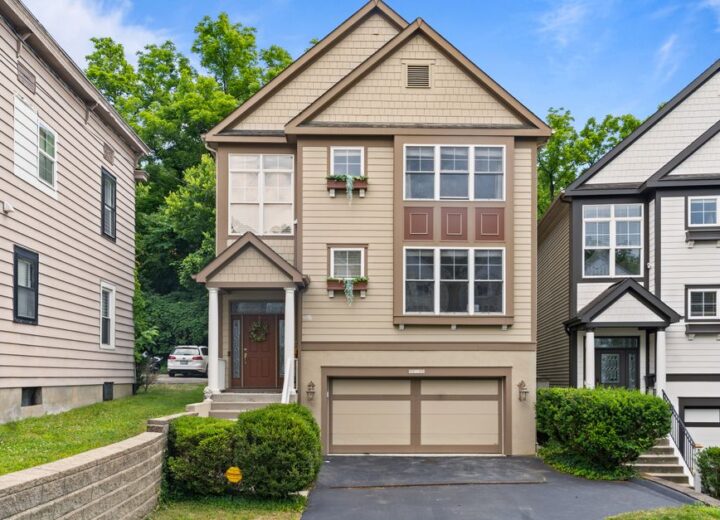
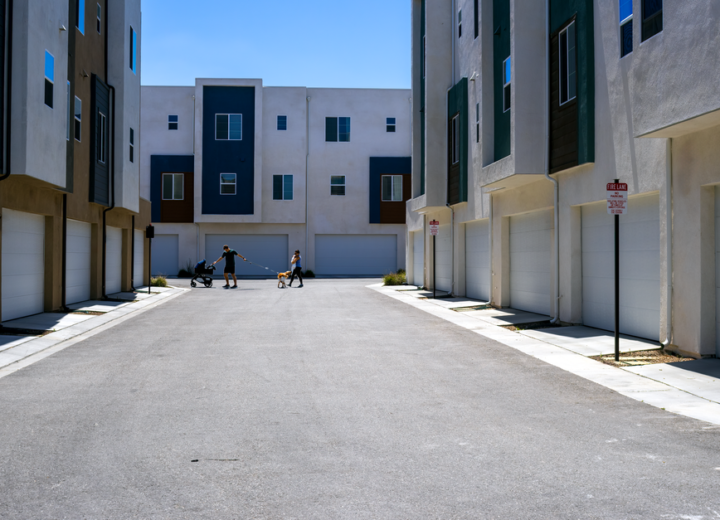
Concord Rent Stabilization Doesn’t Follow National Trends
Concord rent stabilization is a local rule that national reports ignore. When the headline says rents are down, your block in Concord may tell a different story. The cap on how much you can raise rent is set by the city, not by the national market. So before you decide whether to raise to the allowed maximum or hold steady, you need to look at what’s happening on your own street.

The Real Challenge: National Data Misses the Block
National rent reports aggregate thousands of listings across the country. They smooth out local spikes and dips. Concord’s rent stabilization ordinance applies to certain buildings, but not all. It changes annually, and it varies by city. A national report can’t tell you whether your unit is exempt, whether the cap applies this year, or whether tenants on your block are actually moving out when you raise rent.
What people get wrong is treating the national trend as a signal. If the report says rents are down, some landlords hold steady even when local demand is strong. Others raise to the cap because they assume the market will bear it, then face a vacancy that costs more than the increase would have gained. The real challenge is reading the local signals that matter: vacancy, asking rents, and time-on-market for comparable units within a few blocks of yours.
A Genuine Partial Answer: Read Your Block’s Vacancy and Time-on-Market
You can start without any special tools. Walk or drive your block and the two or three blocks around your property. Look for “For Rent” signs. Note how long they stay up. Check online listings for units similar to yours in Concord—same bedroom count, same condition, same street type. Watch how quickly those listings disappear. If a comparable unit sits for weeks with no takers, that’s a signal. If it rents in days, that’s a different signal.
Vacancy is the most honest number you can gather yourself. A vacant unit costs you a full month’s rent or more, plus turnover costs. If raising to the cap risks a vacancy, the math may favor holding steady even when the ordinance allows the increase. Time-on-market tells you how much pricing power you actually have. If every comparable unit is renting fast at asking, you have room. If they’re lingering, you don’t.
Asking rents are trickier. The listed price isn’t always the signed price. Some landlords list high and negotiate down. Others list low to generate interest and then hold firm. You need to track asking rents over time, not just at one moment. Look at what units actually rented for, if you can find that data from property managers or local agents. In our experience, the gap between asking and signed rent in Concord varies by neighborhood and property type.

What’s Left: The Ordinance Details and Your Specific Situation
Reading local vacancy, asking rents, and time-on-market gives you the market picture. But the decision to raise to the cap or hold steady also depends on the ordinance itself. Concord’s rent stabilization rules have exemptions—single-family homes, condos, and ADUs are carved out in certain ways. The cap recalculates annually. The notice period for a rent increase depends on the size of the increase and other factors. If you get the ordinance wrong, the market data doesn’t matter.
That’s where the specifics of your property come in. Is your unit covered or exempt? When was the last increase? What’s the current cap for your building type? These details change by city and by year. Walnut Creek, for example, has different rules than Concord, and the Concord vs Walnut Creek Rent Control Differences article walks through that. If you’re not sure whether your duplex is exempt, Your Concord Duplex Exemption Notice: What to Do covers the basics. But the current ordinance text is the only authority, and it changes.
The national report from BiggerPockets’ On the Market podcast frames the national rent decline. What that means for you is that the national trend is a background fact, not a decision input. Your block’s vacancy and time-on-market are the foreground. The ordinance is the constraint. Put those together, and you can make a decision you can defend.
How We Walk You Through It
When you work with us on a rent decision, we start with the property. We pull the current ordinance for Concord, check your exemption status, and confirm the cap and notice period. Then we look at the block. We track comparable listings within a short radius, watch time-on-market, and talk to local agents about what’s actually signing. We build a simple spreadsheet that shows the trade-off: raise to the cap and risk a vacancy, or hold steady and keep the tenant.
We don’t make the decision for you. We give you the local data and the ordinance facts, and we walk through the scenarios. If you want to automate the tracking, our property management services include regular market snapshots for your specific building. If you’re already using a spreadsheet, The Property Tasks Worth Automating First shows where to start. But the core is the same: read your block, not the national report.

Make the Call with Local Data
Concord rent stabilization gives you a ceiling, not a target. The national report gives you a headline, not a signal. The decision to raise to the cap or hold steady should come from what you see on your own block. Vacancy, asking rents, and time-on-market are the three numbers that matter. If you want help gathering and reading those numbers for your specific property, get in touch and we’ll walk through it together.
What’s the most reliable local signal you’ve found for rent decisions on your block—vacancy, asking rents, or time-on-market?
About this article. This is general information and our own opinion, written from how we run operations for owners and businesses in Contra Costa County. It is not legal, tax, accounting, financial or other professional advice, it is not a recommendation to take or avoid any action, and it is not a substitute for advice about your own property, tenancy or business. CAO Investment Group is not a law firm, and reading this does not create an attorney-client or any other professional relationship. Local ordinances, fee schedules, forms, thresholds and deadlines change often and differ from city to city within Contra Costa County — anything here may be out of date by the time you read it, including as of the publication date shown above. Verify anything you plan to rely on against the current rules published by your own city or county, and speak to a qualified attorney, CPA or licensed professional about your specific situation before you act. This article refers to material published at this source, which we do not control and which may have changed or been withdrawn since we wrote about it; our description of it is our own reading, not the source speaking. We make no warranty that this information is current, complete or accurate, and we accept no liability for any action taken or not taken on the basis of it.