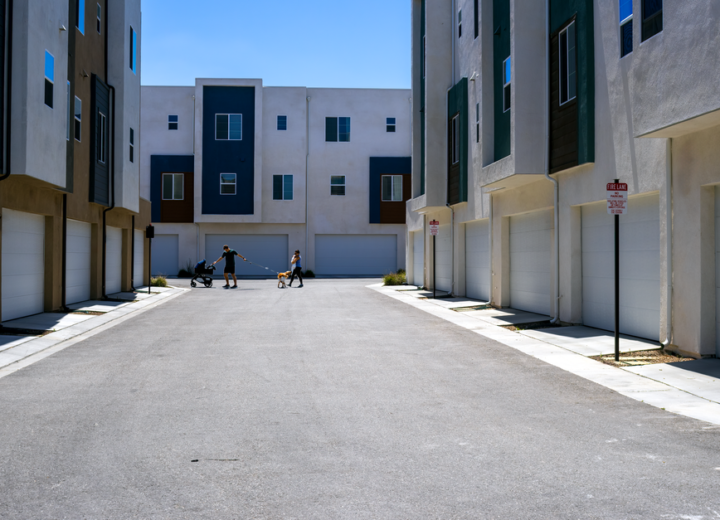
Concord rent ordinance exemptions split by parcel type
Concord rent ordinance exemptions don’t apply to an estate. They apply to a parcel. That distinction is the whole problem when a successor trustee inherits a single-family home on one lot and a duplex a mile away on another. The same city, the same ordinance, the same trustee, and two notices that need opposite responses.
It’s easy to treat the two properties as one portfolio and file one answer. That’s the mistake. Concord’s ordinance works at the parcel level, and the parcel types here sit on different sides of the line. A single-family home is generally treated differently from a duplex under the city’s rent stabilization framework. The exemption notice for each parcel asks a different question, and the answer that’s right for one is wrong for the other.

Why the two notices read differently
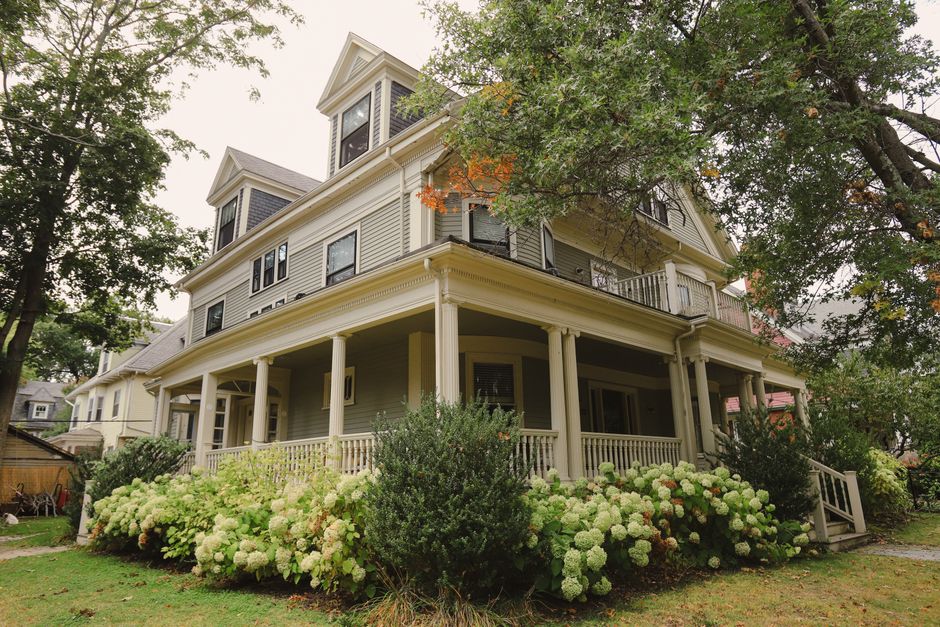
The single-family exemption under Concord’s ordinance is generally automatic for qualifying parcels. The city’s rules carve out single-family homes from rent stabilization, so the notice for that parcel is often a confirmation rather than an application. You still have to respond, but the response is usually a short verification that the parcel is a single-family home and not a condo, an ADU, or something else.
The duplex is different. Duplexes are generally covered by Concord’s rent stabilization program unless a specific exemption applies, like owner occupancy in one unit. The notice for the duplex is asking you to prove an exemption, not confirm one. That means gathering evidence: who lives in which unit, when they moved in, what the tenancy start dates are. The burden sits on the owner, and the trustee has to carry it for a property they may never have managed.
What trips people up is the timing. Both notices arrive around the same time, both mention the same ordinance, and both look like the same form. A trustee who files the single-family response for the duplex, or vice versa, has created a record that says the wrong thing about the wrong parcel. Fixing that later means amending filings and explaining the mix-up to the city, which is exactly the kind of administrative friction an estate doesn’t need.
A genuine partial answer: build one shared compliance file
The fix that works for both parcels is a single compliance file the successor trustee can actually find. Not two files, not a binder for each property. One file, organized by parcel, with a cover sheet that says what each parcel is and what its notice requires.
Here’s what goes in it:
- The current exemption notice for each parcel, with the response deadline noted on the front.
- A one-page summary for each parcel: address, parcel number, property type, and the exemption status under Concord’s ordinance as it stands today.
- For the single-family parcel: the deed or title showing it’s a single-family home, plus any prior exemption correspondence.
- For the duplex parcel: the lease or rental agreement for each unit, move-in dates, and any owner-occupancy evidence if that exemption is being claimed.
- A log of every contact with the city about either parcel: date, person, what was said, what was filed.
This file does two jobs. It gives the trustee the answers to both notices in one place, and it creates a paper trail that survives the trustee. If the estate sells one parcel or the other, the buyer gets a clean compliance record instead of a mystery.
For the single-family parcel, the file mostly confirms what’s already true. For the duplex, it’s the evidence base for whatever exemption you’re claiming. The same file, opposite purposes. That’s the point.
What’s left depends on the duplex’s specific facts
The single-family side is usually straightforward. The duplex side is where the work is, and it depends on things only the trustee can know: who lives in each unit, whether the owner or a relative occupies one, what the rental history shows. Concord’s ordinance has specific exemptions for duplexes, like owner occupancy, but whether one applies here is a factual question, not a general one.
That’s also where the risk sits. If the duplex doesn’t qualify for an exemption, it’s subject to Concord’s rent stabilization rules, including limits on rent increases and just cause eviction requirements. The trustee needs to know that before answering the notice, because the answer determines what the estate can do with the property going forward. A wrong answer now can lock in a position that’s hard to unwind later.
We’ve written about the duplex exemption path before, and the Concord duplex exemption notice article walks through what the city is actually asking for. If the duplex has an owner-occupied unit, the Concord Duplex Owner-Occupied Exemption guide covers the evidence you’ll need. Both are worth reading before you file anything.

How we walk you through it
When a trustee brings us two parcels like this, we start with the file. We pull the current ordinance text for Concord, confirm what each parcel is, and map the exemption status for both. Then we draft the response for the single-family parcel, which is usually a short confirmation, and we build the evidence checklist for the duplex.
We don’t file anything for you. We prepare the file, the summaries, and the response drafts, and we hand them to the trustee or their attorney. The trustee signs and submits. What we add is the structure: one file, two parcels, clear labels, and a timeline so nothing gets missed.
That structure matters more than most people expect. A successor trustee is often handling an estate for the first time, and the rental properties are one item on a long list. The compliance file is what keeps the two parcels from blurring together. It’s also what the next owner inherits, whether that’s a family member or a buyer.
If the estate is heading toward a sale, the property management side matters too. Our property management service can take over the day-to-day while the exemption questions get settled, so the trustee isn’t fielding tenant calls and city notices at the same time.
Get the two parcels sorted before the deadline
The notices have deadlines, and the city doesn’t pause them for an estate. The single-family response is quick once you confirm the parcel type. The duplex response takes longer because it depends on facts you have to gather. Starting both at the same time, with one file, is the only way to keep them straight.
If you’re holding two Concord parcels with different exemption statuses, get in touch and we’ll help you build the file and the responses before the deadlines hit.
What’s the one piece of evidence for the duplex you’re least sure you can find?
About this article. This is general information and our own opinion, written from how we run operations for owners and businesses in Contra Costa County. It is not legal, tax, accounting, financial or other professional advice, it is not a recommendation to take or avoid any action, and it is not a substitute for advice about your own property, tenancy or business. CAO Investment Group is not a law firm, and reading this does not create an attorney-client or any other professional relationship. Local ordinances, fee schedules, forms, thresholds and deadlines change often and differ from city to city within Contra Costa County — anything here may be out of date by the time you read it, including as of the publication date shown above. Verify anything you plan to rely on against the current rules published by your own city or county, and speak to a qualified attorney, CPA or licensed professional about your specific situation before you act. We make no warranty that this information is current, complete or accurate, and we accept no liability for any action taken or not taken on the basis of it.