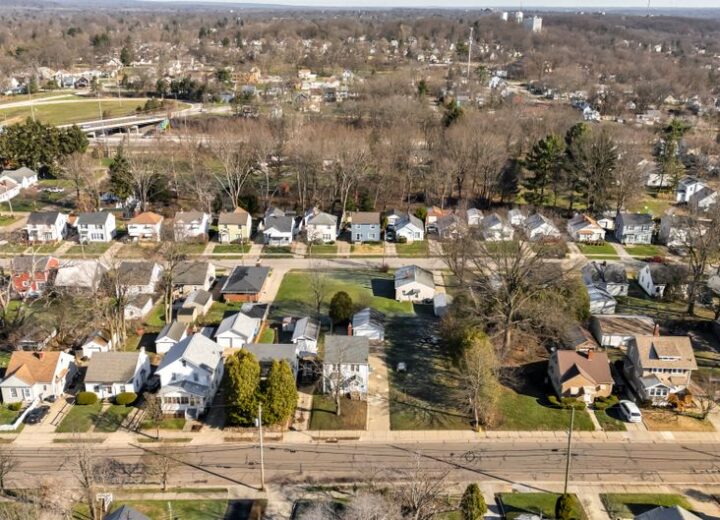
Antioch Condo Rent Ordinance: The Question That Prices Your Deal
You’re under contract on a condo in Antioch with a tenant in place. The seller’s disclosures mention Concord’s rent ordinance and its condo exemption. You assume the unit is exempt. That assumption is the most expensive one in the deal.
Concord’s condo exemption is not a countywide rule. Antioch runs its own rent program, and the facts that matter there are different. The unit being a condo, the tenant’s move-in date, the prior owner’s registration status: any one of these could control coverage, and they don’t all point the same direction. You cannot price the deal until you know which Antioch answer you’re buying.

Why the Concord Exemption Travels Poorly
Concord’s rent ordinance carves out single-family homes, condos, and ADUs under specific conditions. That carve-out is local. Antioch’s ordinance has its own coverage tests, and they key off different facts. A unit that sails through Concord’s exemption can still be fully covered in Antioch, or partially covered, or covered for some tenants and not others.
What makes this harder is the sequence. Most buyers check the ordinance text and stop. But the ordinance text doesn’t tell you which fact controls when the facts conflict. A condo built after a certain date, with a tenant who moved in before another date, where the prior owner never registered: which one wins? The city’s rent program makes that call, and it does so in writing when you ask the right way.
Get a Written Coverage Determination Before You Remove Contingencies
The single most useful move in this situation is to request a written coverage determination from Antioch’s rent program. This is not a phone call. It’s a written request that lays out the specific facts of the unit and asks the city to state, in writing, whether the unit is covered by the Antioch rent ordinance and which fact controls that determination.
Why written? Because a verbal answer from a staff member doesn’t bind the city. A written determination becomes part of your file. If the city later takes a different position, you have the document that shows what you were told and when. For a buyer, that’s the difference between a priced risk and an unpriced one.
The request should name the three candidate facts explicitly: the unit’s condo status, the tenant’s move-in date, and the prior owner’s registration history. Ask the city to state which one controls coverage for this specific unit, and to confirm whether any other fact would change the answer. Don’t ask for a general interpretation. Ask about this unit, this tenant, this sale.

What the Answer Changes in Your Underwriting
If the city says the unit is not covered, you can underwrite the existing rent as the market rent and move forward. If the city says the unit is covered, the rent cap and just-cause rules attach to the tenancy you’re inheriting. That changes the cash flow, the exit assumptions, and the price you can pay.
There’s a third possibility, and it’s the one that catches buyers: the city may say coverage depends on a fact you haven’t verified. The tenant’s move-in date might be disputed. The prior owner’s registration might be incomplete. In that case, the written determination tells you exactly what to verify before you remove contingencies. That’s the value: not just an answer, but the path to an answer.
We’ve walked buyers through this in Concord, Walnut Creek, and Richmond. The process in Antioch follows the same shape: request, wait, read the determination, then decide. The difference is the facts the city weighs, and those are local. Our real estate services include exactly this kind of pre-close jurisdictional check for Contra Costa properties.
Why This Beats Reading the Ordinance Yourself
You can read Antioch’s rent ordinance online. It’s public. But the ordinance won’t tell you how the city applies it when a condo was converted before the ordinance passed, or when a tenant moved in under a prior owner who didn’t register, or when the unit is one of several in a small building. Those are application questions, not text questions.
That’s why the written determination matters. It forces the city to apply its own ordinance to your specific facts and put the answer on paper. It also creates a record that follows the unit. If you sell later, the next buyer gets the same document. That’s a small asset, but in a jurisdiction where coverage can hinge on a single fact, it’s the kind of asset that keeps a deal from unraveling.
For a related look at how one city’s exemption notice works, see our piece on Concord Rent Ordinance Exemptions: Two Parcels, One Estate. The mechanics of asking the city to put its position in writing are similar, even though the facts differ.

How We Walk You Through It
When you bring us a tenant-occupied Antioch condo under contract, here’s the sequence. First, we pull the unit’s history: prior registrations, any exemption notices, the tenant’s lease start date if it’s available. Second, we draft the written coverage determination request to Antioch’s rent program, naming the three candidate facts and asking which controls. Third, we track the response and read it against your purchase agreement’s contingency deadlines.
If the determination is clear, we tell you what it means for pricing and for the tenancy you’re inheriting. If it’s conditional, we tell you what to verify and how long that will take. If the city is slow, we tell you whether to extend contingencies or walk. The point is that you never remove a contingency on a guess about rent coverage.
This is the operating side of buying in Contra Costa: the forms, the offices, the sequence. It’s not glamorous, but it’s the part that determines whether the numbers on your spreadsheet survive contact with the city. If you’re looking at a tenant-occupied condo in Antioch, contact us before you sign anything else.
One Question Before You Go
Which fact do you think should control rent coverage on a tenant-occupied condo sale: the unit’s condo status, the tenant’s move-in date, or the prior owner’s registration? Tell us in the comments.
About this article. This is general information and our own opinion, written from how we run operations for owners and businesses in Contra Costa County. It is not legal, tax, accounting, financial or other professional advice, it is not a recommendation to take or avoid any action, and it is not a substitute for advice about your own property, tenancy or business. CAO Investment Group is not a law firm, and reading this does not create an attorney-client or any other professional relationship. Local ordinances, fee schedules, forms, thresholds and deadlines change often and differ from city to city within Contra Costa County — anything here may be out of date by the time you read it, including as of the publication date shown above. Verify anything you plan to rely on against the current rules published by your own city or county, and speak to a qualified attorney, CPA or licensed professional about your specific situation before you act. We make no warranty that this information is current, complete or accurate, and we accept no liability for any action taken or not taken on the basis of it.