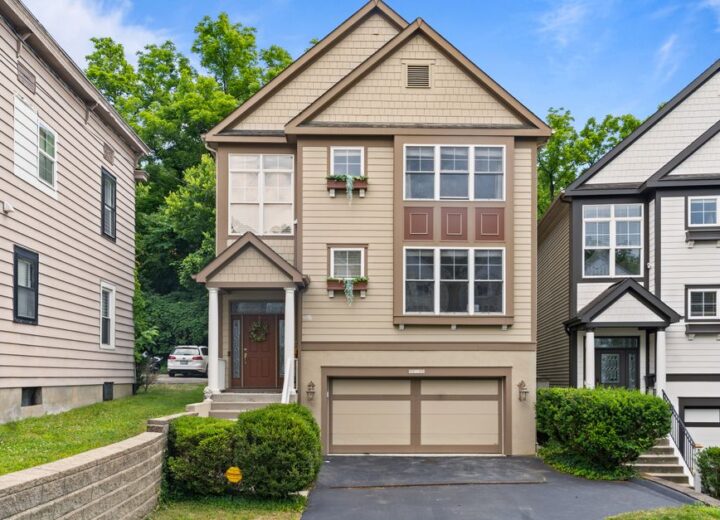
Concord rent ordinance ADU exemption questions start the moment you hold a notice for a duplex and an ADU on the same parcel. The duplex is exempt. The ADU may not be. The city’s letter asks about the whole property, and how you answer determines whether the exempt unit stays exempt.
Why the Notice Reads Like a Trap
The notice is not a trap. It is a form letter built for a single parcel with a single classification. Concord’s rent ordinance treats a duplex and an ADU as different things, but the notice arrives as one document. A landlord who answers for the parcel as a whole can accidentally pull the ADU’s rent history into the duplex’s exemption file, or worse, describe the duplex in a way that waives its exempt status.
What people get wrong is treating the notice as a yes/no question. It is not. It asks you to describe the units, their occupancy, and their rental history. The description you give becomes the record the city uses. If you describe the ADU as part of the duplex, you have merged two legal statuses. If you describe the duplex as a rental with an ADU, you may have implied the duplex is covered when it is not.

What the Ordinance Actually Separates
Concord’s ordinance carves out single-family homes, condos, and ADUs in specific ways. A duplex is generally exempt from the rent stabilization portions, but an ADU on the same parcel is treated under its own rules. The ADU’s coverage depends on when it was built and when it was first rented. Those are two different dates, and the city’s form may only ask for one.
The mechanism that matters is the rental registry entry. Concord’s program records each unit separately, but the notice is addressed to the parcel. If you answer for the parcel, you risk registering the ADU under the duplex’s exemption. If you answer only for the duplex, the ADU may go unregistered and trigger a follow-up. The correct answer is to describe each unit on its own line, with its own dates and its own status.
This is where most landlords stall. The form does not have a second line for the ADU. You write it in the margins, attach a separate sheet, or call the housing office and ask how they want it. The city’s staff have seen this before. They will tell you the format they accept. What they will not do is tell you which unit is exempt. That is your call, and it needs to be right.
How to Answer for the Unit That Is Covered
Start with the duplex. State the exemption you are claiming and the basis for it. Concord’s ordinance exempts duplexes where the owner lives in one unit, and it exempts duplexes that are not subject to the rent stabilization provisions for other reasons. The notice may ask for proof. Have the deed, the occupancy date, and any prior correspondence ready.
Then address the ADU separately. Do not say the ADU is exempt unless you can point to the specific provision. Concord’s ADU rules have changed over time, and the current ordinance may cover an ADU that was rented after a certain date. If you are not sure, say so in the response: “The ADU at [address] is rented; I am checking its coverage under the current ordinance and will provide the registry information separately.” That keeps the duplex answer clean while you verify the ADU.
Do not ignore the ADU. An incomplete answer is worse than a careful one. The city will follow up, and the follow-up will be less friendly. Answer what you know, flag what you do not, and keep a copy of everything you send.

What Depends on Your Specific Situation
Three things change the answer, and none of them are on the notice. First, whether the ADU was built with permits and when. Second, whether the ADU was rented before or after the ordinance’s effective date for ADUs. Third, whether the duplex’s exemption is owner-occupancy based or something else. Each of these shifts the ADU’s status and the evidence you need to attach.
For example, an ADU built after the ordinance’s ADU provisions took effect may be covered regardless of when it was first rented. An ADU that existed before may be exempt if it was rented before the effective date. The city’s form does not ask these questions in that order. You have to answer them yourself and attach the proof.
If the duplex exemption is owner-occupancy based, you need to prove you live there. If it is based on the duplex being a two-unit property that is not otherwise covered, the proof is different. Mixing these up is how a duplex owner loses the exemption on a technicality.
How We Walk You Through It
When a landlord brings us this notice, we do not fill it out for them. We build the response file. That means we pull the parcel’s rental history, the ADU’s permit record, and the duplex’s exemption basis. We check the current ordinance text for the ADU’s coverage date. Then we draft the response with the duplex and the ADU separated, each with its own evidence.
We also set up the follow-up. The city may ask for more. We keep the file organized so the second response takes minutes, not days. Our property management service includes this kind of compliance file for every unit we manage. For landlords who handle their own paperwork, our workflow automation service builds the same file structure without taking over the property.
The goal is not to argue with the city. It is to give them a clean, correct answer the first time. That protects the duplex’s exemption and gets the ADU into the registry under the right status.

Concord Rent Ordinance ADU Exemption: The Next Step
If you have the notice on your desk, do not answer it until you have separated the duplex from the ADU. The order matters. Duplex first, with its exemption basis. ADU second, with its own dates and status. Attach the proof for each. Keep a copy.
Then get the ADU’s coverage verified. The ordinance text is on the city’s website, but the effective dates and the permit history are not always easy to line up. That is the part where a second set of eyes helps.
If you want us to walk through your specific parcel, contact us here. Bring the notice and whatever you have on the ADU. We will tell you what we see.
What is the one detail on your notice that made you pause the longest?
About this article. This is general information and our own opinion, written from how we run operations for owners and businesses in Contra Costa County. It is not legal, tax, accounting, financial or other professional advice, it is not a recommendation to take or avoid any action, and it is not a substitute for advice about your own property, tenancy or business. CAO Investment Group is not a law firm, and reading this does not create an attorney-client or any other professional relationship. Local ordinances, fee schedules, forms, thresholds and deadlines change often and differ from city to city within Contra Costa County — anything here may be out of date by the time you read it, including as of the publication date shown above. Verify anything you plan to rely on against the current rules published by your own city or county, and speak to a qualified attorney, CPA or licensed professional about your specific situation before you act. We make no warranty that this information is current, complete or accurate, and we accept no liability for any action taken or not taken on the basis of it.