When a Rent Program Notice Wrong Address Lands in Your Mailbox
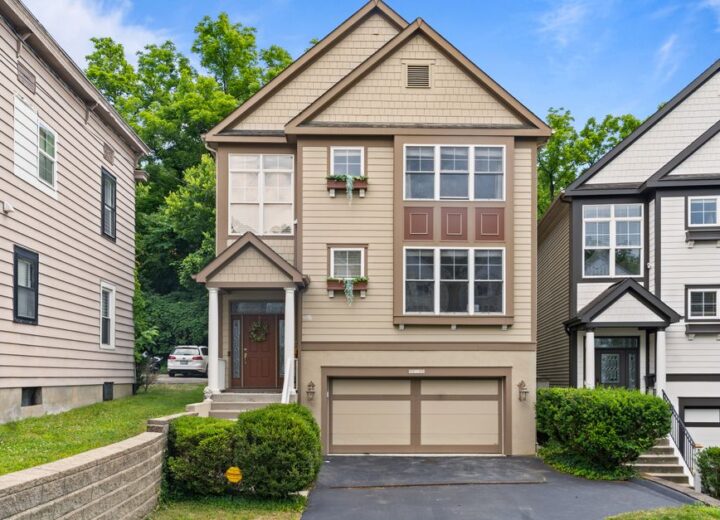
A rent program notice wrong address is the kind of mail that stops a landlord mid-sip of coffee. You own a single-family house in Walnut Creek. The packet came from Concord’s rent program. Your registered agent or mailing address sits in Concord, so the system assumes the property does too. That assumption, left uncorrected, can follow the property into a buyer’s review or a lender’s file.
The fix is a written record correction. Not a phone call. Not an email you hope someone files. A letter that creates a paper trail showing you told the right office, on the right date, that this property isn’t in their jurisdiction.
Why the Wrong City’s Registry Matters More Than the Notice
Concord runs a rent stabilization program with exemptions for single-family homes, condos, and ADUs. Walnut Creek runs no rent program at all. So a Walnut Creek single-family house is doubly outside Concord’s rules: wrong city, exempt category. But a mailing-address mismatch can drop that property into Concord’s registry anyway, because the system keys off the owner’s address on file.
What people get wrong is treating the notice as junk mail. It isn’t. That notice is the first entry in a record that can show up later. A buyer doing due diligence asks for any rent-program correspondence. A lender underwriting a refinance sees the property flagged in a registry search. You don’t want to explain, months after the fact, why your exempt Walnut Creek house was sitting inside Concord’s program.

The Written Correction: What to Send and Where
You need three things in one letter: the property address, the notice reference number if the packet has one, and a clear statement that the property is a single-family home in Walnut Creek and therefore outside Concord’s rent program. Attach a copy of the notice itself. Keep the original.
Send it to the office that issued the notice. Concord’s rent program is administered by the city’s housing division, but the exact mailing address and current contact vary. Check the notice you received; the return address on that packet is the office that generated it. If the notice doesn’t list a mailing address, call the city clerk’s office in Concord and ask where rent-program corrections go. Don’t guess.
Send it certified mail, return receipt requested. That receipt is your proof of delivery. Staple it to your copy of the letter. This isn’t paranoia; it’s the difference between “I sent it” and “I can show they got it.”
What the Letter Should Say, Line by Line
Keep it plain. No legal jargon, no threats. Something like:
- Your name and mailing address as the owner of record.
- The property address: street, city, ZIP. Emphasize Walnut Creek.
- The notice reference number, if any, from the packet.
- A sentence stating the property is a single-family dwelling located in Walnut Creek, which has no rent program, and that Concord’s program exempts single-family homes.
- A request to correct the record and confirm in writing that the property has been removed from any Concord rent-program registry.
- Your signature and the date.
Don’t include extra documents like your deed or tax bill unless the notice specifically asks for them. Too much paper slows the correction. The goal is a clear, dated request that a clerk can process in one read.

What Happens After You Send It
You’ll get a confirmation letter, usually within a few weeks. If you don’t, follow up in writing. Reference your original letter’s date and certified mail number. Ask for the status of the correction. Keep every piece of paper in a folder labeled with the property address.
That folder is what you’ll show a buyer’s agent or a lender if the question ever comes up. It’s also what you’ll need if a second notice arrives because the first correction didn’t stick. Systems update slowly. Your paper trail is the proof that you acted, not ignored.
If the property is held in an LLC or trust, the letter should come from the entity that owns it, signed by an authorized person. That matches the ownership record and avoids a back-and-forth about who’s asking for the correction.
When the Mailing Address Itself Is the Problem
Sometimes the fix isn’t just the property record; it’s the mailing address on file. If your registered agent sits in Concord but you want future notices to go elsewhere, you need to update that address with the county assessor and any entity filings. That’s a separate step from the rent-program correction, but it’s the one that stops the next packet from being generated in the first place.
Our property management service handles this kind of record-keeping for owners who’d rather not track certified mail receipts themselves. We keep the folder, we send the follow-ups, and we know which office in Concord or Walnut Creek needs what. For owners managing their own paperwork, the process above works if you’re methodical.
One more thing worth reading: Rent Ordinance Notice Wrong Owner covers the related case where the notice names the wrong person entirely. If your packet has the wrong owner name as well as the wrong city, that article walks through the additional step.

Don’t Let a Mailing Address Define Your Property
A rent program notice wrong address is a clerical error with a long tail. Fix it in writing, keep the proof, and check that your mailing address on file is where you actually want notices to go. The property is in Walnut Creek. The record should say so.
If you’d rather have someone else run the correction and keep the folder current, talk to us. We’ll walk through what you received and what needs to go back, in writing, with a receipt.
What’s the most confusing part of a wrong-address notice you’ve had to untangle: the city’s process, the entity paperwork, or proving you actually responded?
About this article. This is general information and our own opinion, written from how we run operations for owners and businesses in Contra Costa County. It is not legal, tax, accounting, financial or other professional advice, it is not a recommendation to take or avoid any action, and it is not a substitute for advice about your own property, tenancy or business. CAO Investment Group is not a law firm, and reading this does not create an attorney-client or any other professional relationship. Local ordinances, fee schedules, forms, thresholds and deadlines change often and differ from city to city within Contra Costa County — anything here may be out of date by the time you read it, including as of the publication date shown above. Verify anything you plan to rely on against the current rules published by your own city or county, and speak to a qualified attorney, CPA or licensed professional about your specific situation before you act. We make no warranty that this information is current, complete or accurate, and we accept no liability for any action taken or not taken on the basis of it.